
A dark storm cloud has hung over Major League Baseball for a couple of years now. The writing on the wall was very clear to anyone paying attention. While fans eagerly looked forward to the beginning of each new season and flocked to ballparks around the country and in Canada, You could tell all of these positives were overshadowed by the looming end of the current collective bargaining agreement between the owners and the players association.
 Indicators all pointed to the fact that both sides of the CBA were not necessarily happy with how the game was going. Of the two, the players seemed to be the most disgruntled. While baseball was seeing a huge increase in revenues and opportunities the players seemed less excited.
Much of the frustration on the part of the players seemed to focus on the economics of the game. While most of the players (even those who were making league minimum) are being paid much better than the majority of fans who pay to watch them, they were seeing a reduction in the average salary while owners were seeing astronomical growth in the value of each franchise.
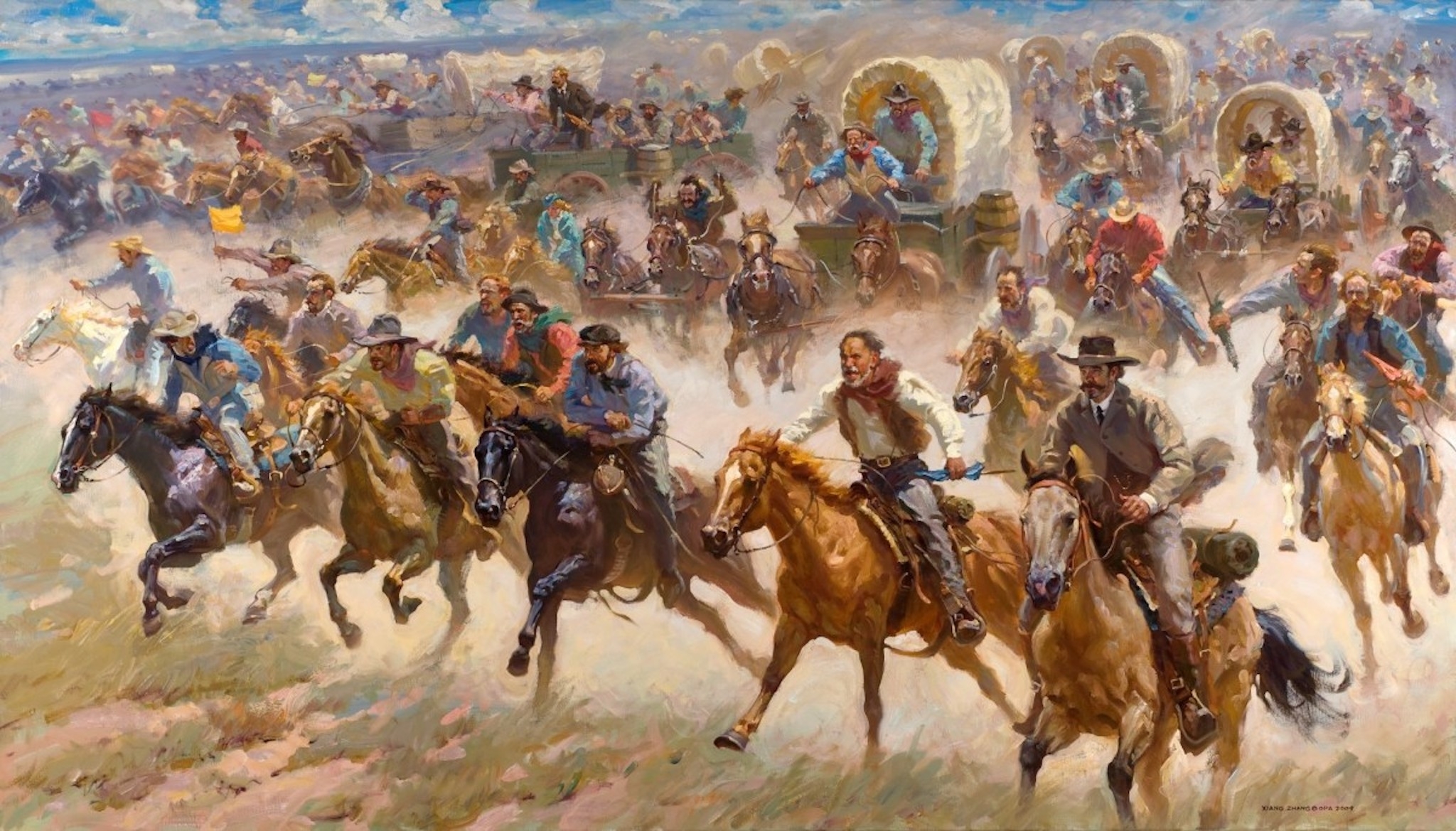
I want to be careful in painting this picture of the game. On the surface it feels like a bunch of millionaires are fighting with a bunch of billionaires on how big a slice of pie they get. It feels a little out of touch with reality and tends to immediately eliminate any sympathy the fans have for either party. It feels like the equivalent of the Oklahoma land rush of 1889 where both players and owners are rushing the field to see who can get the largest handful of money. Meanwhile, many fans are struggling to get their own financial house in order after a prolonged pandemic has changed the economic landscape more than any other singular event in our lifetimes.
 If we ignore the number of zeros at the end of these dollar amounts and put it into context of our own livelihoods you can definitely see both sides of the equation. Owners are like any businessman. They have built their business on a product (in this case a baseball team). They have employees to pay (both on-field and off-field). They also have expenses and risks that they have to prepared for. What happens if your employees cannot work or revenues are not what you projected? The teams are shouldering these risks and have to factor that into their business model. Since they are accepting the risks they should be rewarded for that.
On the other side of the equation there are the players who in reality are the product in an entertainment industry. They started out being drafted by a specific team and in the beginning of their careers they toiled in the minor leagues making less wages than many fast-food employees (we will exclude those in the first couple of rounds who are awarded signing bonuses that is more of an exception rather than a rule). When they finally make it to the major leagues, their salaries are again dictated by the owners for the first few years until they can accumulate enough service time to be granted their free agency.
While these players hone their skills while being paid relatively meager salaries (again ignoring the number of zeros for the sake of making a point), they see the owners reaping large benefits from the players efforts without sharing in that abundance. In our worlds it is the equivalent of seeing the CEO of the company making 10x or 20x the salary of the workers who are responsible for the success of the company.
In my view, this is the primary stumbling block the owners and the players have when negotiating a new CBA. They can talk about all the other things like competitive balance, rules changes, expanded play-offs and all the other things that fans think are the most important thing but none of those other things will really be seriously discussed until the economics can be agreed upon.
Historically, the owners have fared much better than the players in getting their collective way at the negotiating table. I would argue that the players have for the most part rolled over in many of the CBAs wanting to play more than they were willing to fight for more equal revenue sharing. But during the past 20 years it seems like the owners came out ahead in driving the economics. It was bound to come to a head at some point and 2021 seemed to be that flashpoint.
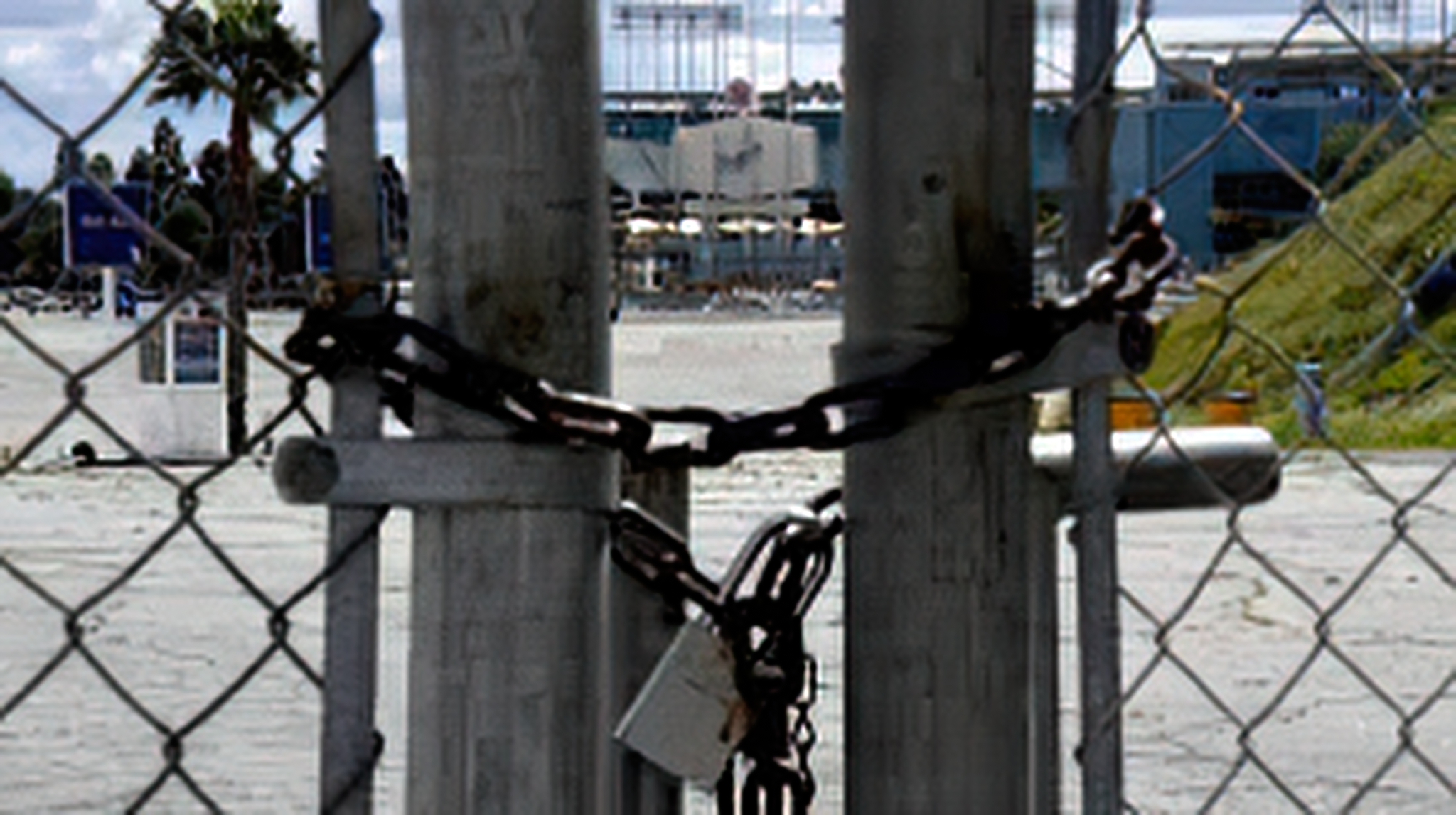
The players and the owners have been negotiating for the past several months out of the public spotlight but any progress if there has been any has been hidden from the fans. That is about to change starting at 12:01 AM on December 2nd. The owners decided to stop negotiating around 4:30 PM on December 1st and voted to lock the players out.
In a letter to the fans from Commissioner Rob Manfred, he explained that this lockout is simply a mechanism to bring the players association to the bargaining table. The players association countered with the lockout being unnecessary since the players are already at the negotiation table offering what they think are valid starting points.
Given the timing of it, it is hard to see that either side is really interested in completing a new agreement quickly. The fans likewise see little in the way of urgency since Spring Training doesn’t start for another 2 months and the regular season is nearly 4 months away. It feels as though this is going to drag out for an extended period of time.
Listening to both sides, it seems the players are quite content with holding out until they get some concessions around the economics of baseball. Owners also seem resolved to hold out making this a financial game of chicken where each party is waiting for the other to blink.
Personally I am expecting this to drag out and would not be surprised to see Spring Training impacted and reduced once both parties finally get to a point where something must get done. If only the fans were incentivized. If the owners and players really want to be provided with a sense of urgency maybe there should be some kind of stipulation where for every week there is a strike or a lockout the players will have to donate a portion of their salaries to a fund that provides baseball tickets and equipment to children and the underserved community. The owners will have to reduce ticket and concessions prices for every week this goes on until the point an agreement is made. Fans shouldn’t be penalized for this lack of cooperation.


0 Comments